
Our Story
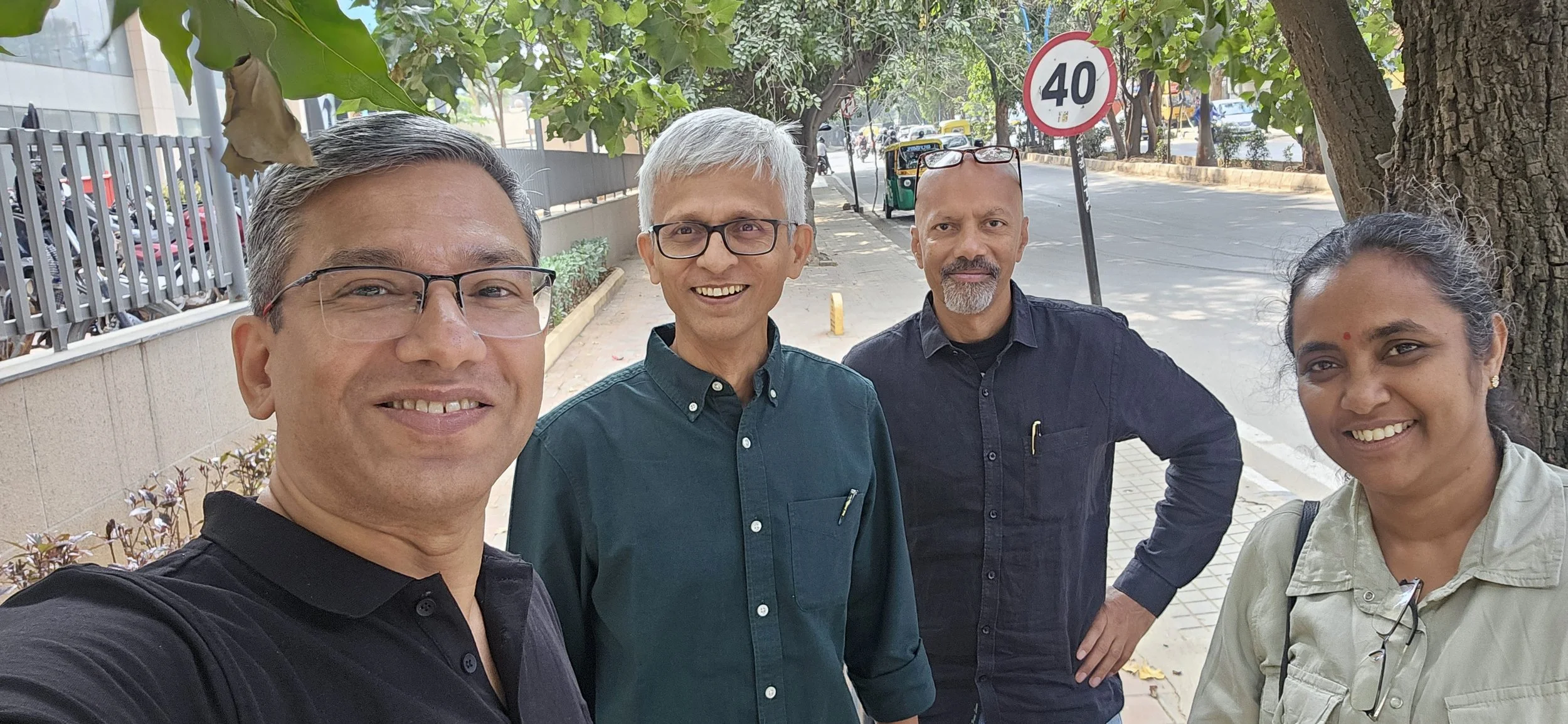
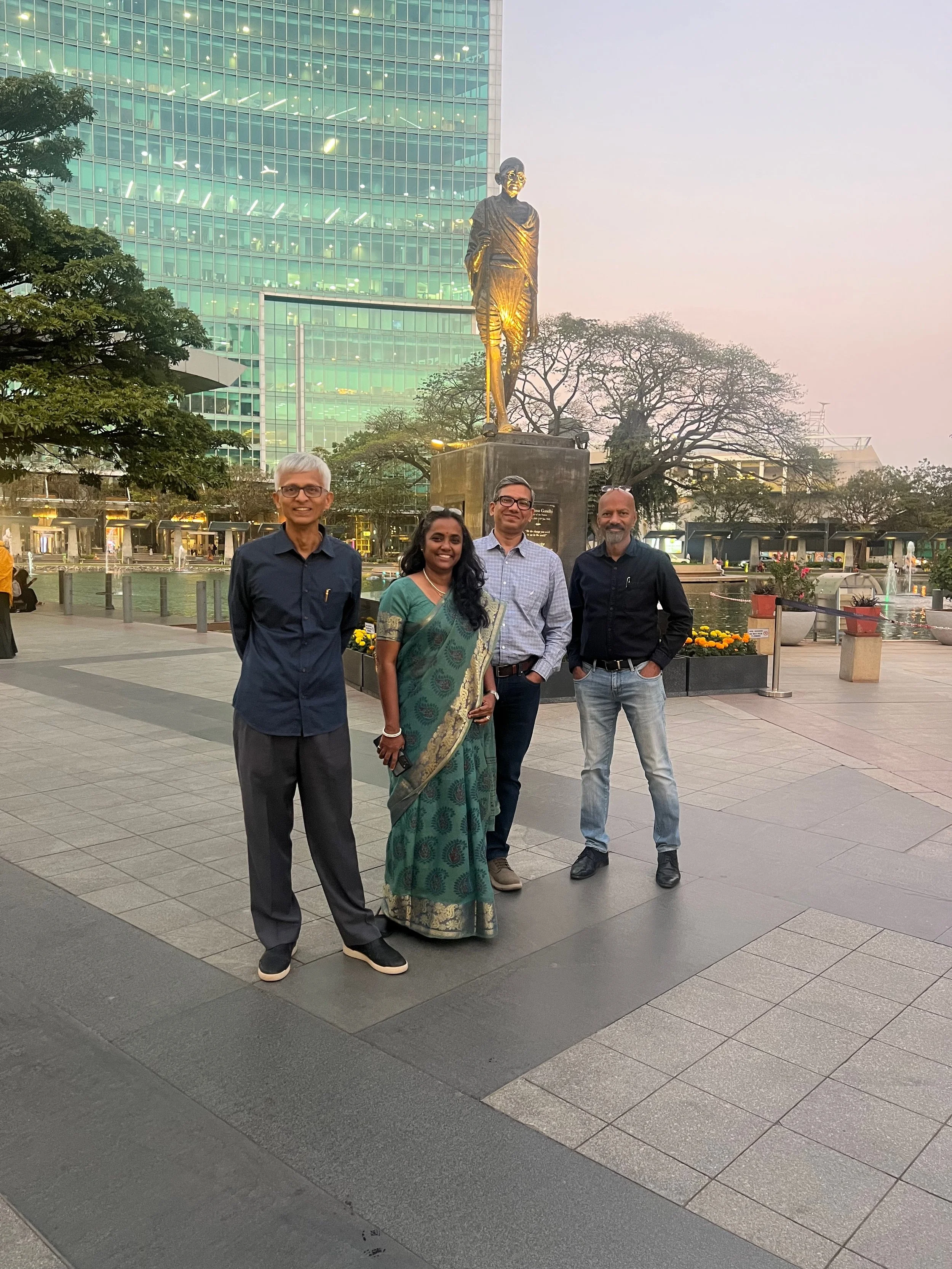
As co-founders, we arrived here by different routes. Different schools, cities, careers. Even different personality profiles (we took tests online!).
What we shared was less obvious.
We did well in our careers. We grew teams, delivered results, earned well, and checked all the usual boxes of success. Yet over time, a quieter feeling grew that something was missing. Titles, pay, and recognition were present, but purpose felt absent (and no, another promotion didn’t fix it).
“I hit the common benchmarks of success—worked at sought-after companies, earned well, delivered consistently. And yet, I found myself heading toward burnout, driven largely by how work was designed.”
Around us, we noticed the same pattern. At dinners and social gatherings, work was rarely spoken about with joy. It was something to endure. Something that drained people before the week had even begun (usually somewhere between Sunday evening and Monday morning).
If most of our waking hours are spent at work, we wondered what happens when work itself becomes a source of stress?
“Lack of trust is a major driver of workplace stress,” says Rajesh. “I saw that both employers and employees usually have good intent. When transparency increased, trust returned—and productivity followed. The workplace became lighter. That mattered.”
“I left the predictable comfort of rigid processes for the messiness of human behavior,” says Harini. “That’s where I learned that when people are trusted and treated like adults, both humans and businesses thrive.” (Adults, it turns out, like being treated as such.)
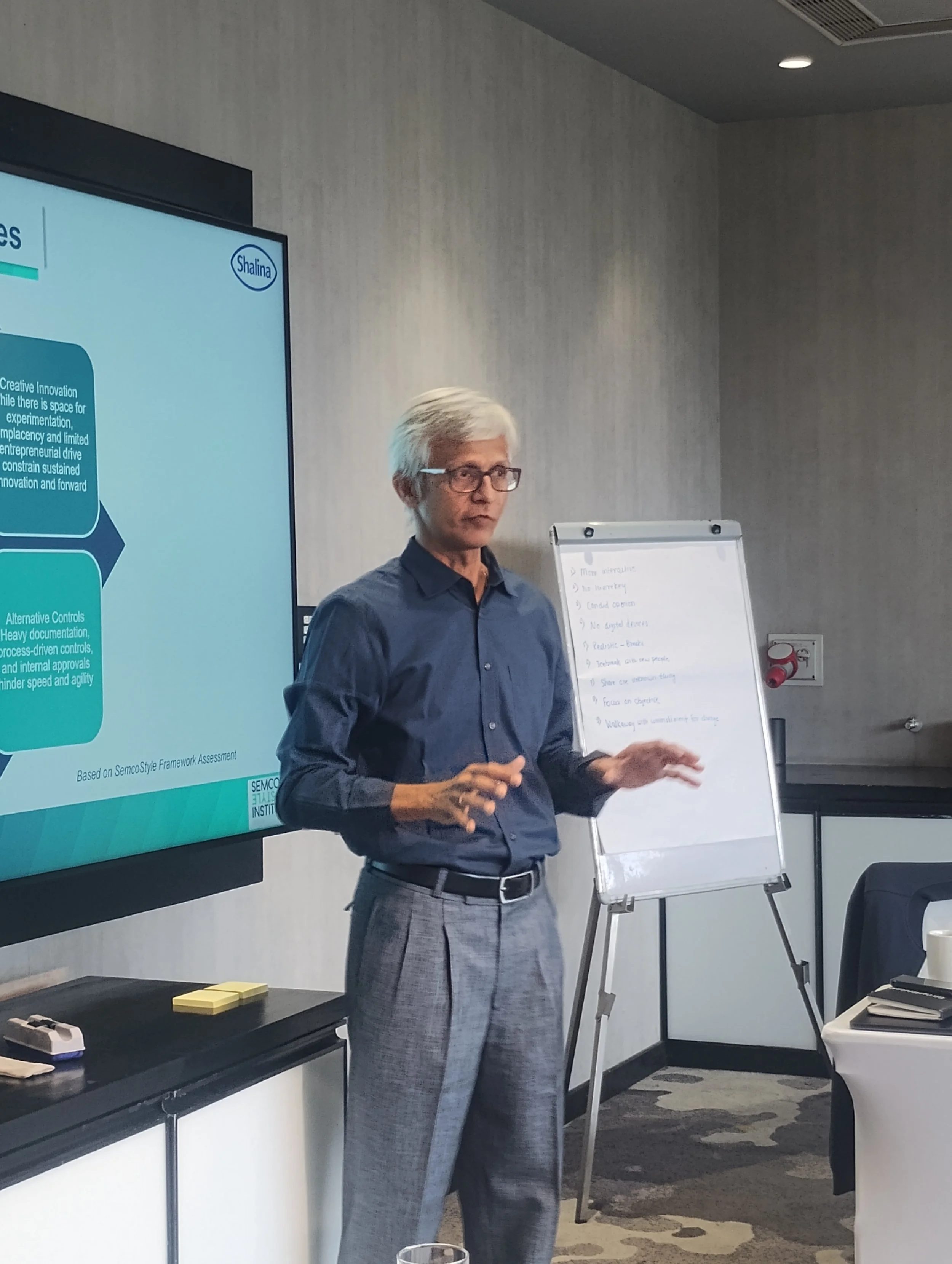
We found resonance in stories like Ricardo Semler’s, proof that organizations could perform exceptionally well by simply treating people with respect. That meaningful work and strong business outcomes weren’t opposites. They were deeply connected (radical idea, we know).
Slowly, things became clear.
The problem we wanted to solve: workplaces that create unnecessary stress.
The skill we had: designing systems where people can do their best work (without heroics).
The way forward: helping organizations unlock human potential.
That became our ikigai.
So here we are, quietly trying to build organizations for people. And for business. Because when work is designed well, it works.